
Prepare Your Site
Proper preparation is 80% of the key to success! Removing Bermuda grass and weeds, roots and all, is a necessity or else maintaining your pollinator garden will be a struggle forever after. The OSU Extension fact sheet has info on different methods of removal. If you’d like professional help or advice, the Oklahoma Native Plant Network (ONPN) Service Directory lists native plant designers & landscapers.
If your garden is surrounded by Bermuda grass, be sure to install edging to keep out the eager roots. Grass Barrier is the most effective edging we’ve found; it’s 10” deep, so you can bury it deep enough to prevent bermudagrass roots from growing under it.
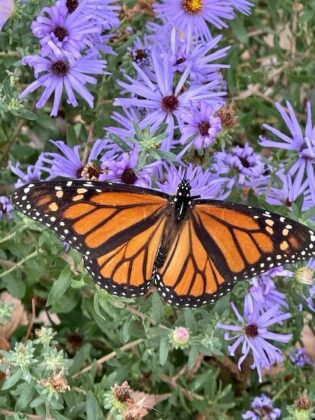
Photo credit: Jana McCord
Planting
Fall is the best time to plant perennials. Your transplants will thrive with the cool air temperatures and warm soil temperatures of fall and will rapidly begin to establish their root systems. In fact, 80% of a plant’s root growth happens in late summer and fall months. By spring, the plants are ready to burst forth and have a strong and resilient root system that will help them survive hot and windy weather. There’s also usually less weed and bug pressure in the fall.
In contrast, spring planted perennials are in the early stages of setting out their roots and will need more frequent watering to make it thru our hot, dry summers.
Next best timing is to plant in early spring (March or April), rather than May or June. Whether you plant in spring or fall, keep your perennials watered well for the first 4-6 weeks after transplanting and mulch them to help moderate soil temperatures, reduce weeds and conserve soil moisture.
Maintenance
We’d all love a maintenance-free garden, but the reality is that even an established pollinator garden full of Oklahoma-native plants needs ongoing TLC.
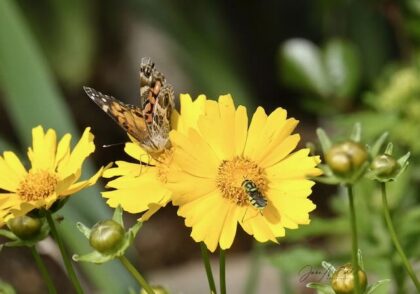
Photo credit: Jana McCord
Weeding: Most of us are surrounded by yards with non-native and invasive plants. When those seeds pop up in our gardens, pulling them out is easy if you get them when they’re still small. Tucking in five minutes of weeding here and there will do wonders!
Watering: Although many native plants are drought tolerant, they’ll need supplemental watering during the first year or two while the plants are getting established, or during long droughts.
Leave the Leaves! Fallen leaves are critical habitat for many insects, including fireflies, moth cocoons, and bugs that are food for birds.
The Oklahoma Native Plant Network has an excellent Maintenance Guide for native plantings. See all ONPN facts sheets on native plants here.
Native Plant Choices
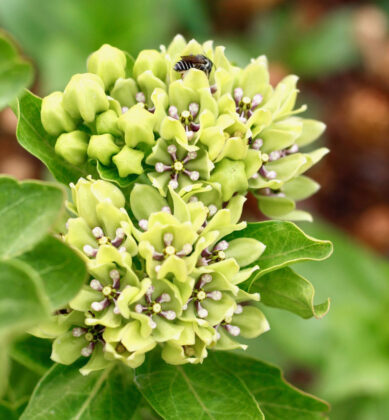
Be sure to plant early, mid and late blooming plants, and host plants as well as nectar plants. I love to include some native grasses as well. Native shrubs and trees are low-maintenance, and provide valuable food and habitat for pollinators and wildlife.
Spring & Early Summer Blooming Native Plants (from short to tall, approximately)
Groundcovers & Vines: Wild Strawberry, Frogfruit, Coral Honeysuckle
Missouri Evening Primrose, Prairie Phlox, Woodland Phlox, Golden Alexanders, White Prairie Clover, Indian Blanket, Lanceleaf Coreopsis, Penstemon, Cutleaf Daisy, Spiderwort, Beebalm, American Basketflower, Golden Crownbeard, Wild Blue Indigo, Culver’s Root.
Milkweeds: Green Milkweed, Butterflyweed
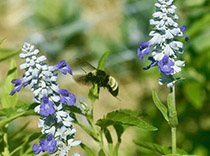
Summer Blooming Native Plants (from short to tall, approximately)Groundcovers & Vines: Frogfruit, Wine Cup, Passionflower, Coral Honeysuckle
Missouri Evening Primrose, Blackfoot Daisy, Autumn Sage, Mistflower, Purple Prairie Clover, Skullcap, Hoary Vervain, Cutleaf Daisy, Spiderwort, Purple Coneflower, Yellow Coneflower, Black Eyed Susan, Mountain Mint, Leadplant, Beebalm, Yarrow, Early False Sunflower, Black Eyed Susan, Golden Crownbeard, Blazing Star, Mealy Blue Sage, Pitcher Sage, Blue Vervain, Sneezeweed, Ironweed, Illinois Bundleflower, Mexican Hat, Rattlesnake Master, Partridge Pea, Senna, Turk’s Cap, Late Figwort, Wingstem, Wooly Croton, Rosinweed, Compass Plant, Great Coneflower, annual Sunflower
Milkweeds: Butterflyweed, Whorled Milkweed, Swamp Milkweed, Showy Milkweed, Common Milkweed
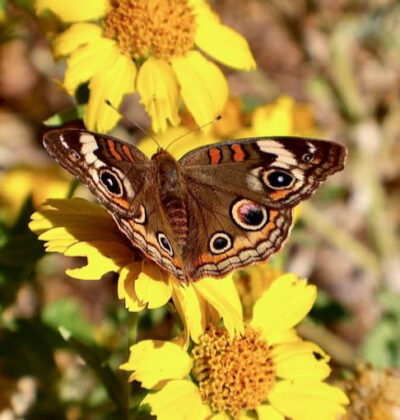
Late Summer and Fall Blooming Native Plants
Asters and Goldenrods are key fall blooming plants. Other plants that bloom into the fall are Frogfruit, Blackfoot Daisy, Autumn Sage, Cutleaf Daisy, Mistflower, Obedient Plant, Black-Eyed Susan, Mealy Blue Sage, Pitcher Sage Golden Crownbeard, Late Boneset, Turk’s Cap, Maximilian Sunflower and Frostweed.
Remember the Native Grasses!
Many pollinators, along with birds and other wildlife, rely on native grasses for food, shelter and nesting sites. Native grasses stabilize the soil, provide water infiltration, and add interesting textures and colors to the landscape. They offer us a reminder of the vast grasslands that once covered most of the central plains of this country.
Buffalo grass and Blue Grama are often used as a lawn substitute.
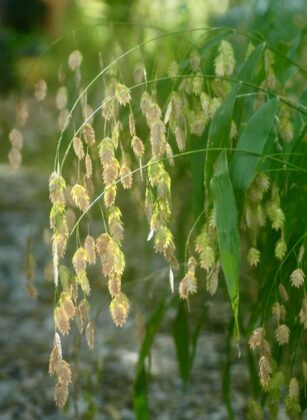
Side-Oats Grama, Little Bluestem, Pink Muhly Grass and many of the sedges are beautiful choices for pollinator gardens.
Indian Grass, Switch Grass and Big Bluestem are taller but serve as a striking backdrop to shorter flowering natives.
Sea Oats is a versatile grass that thrives in sun and shade, and its arching stems and ornamental seedheads enliven the landscape through all seasons.
Many native grasses add winter interest as their foliage and seedheads turn warm colors of gold, bronze and copper.
Host Plants
Host plants provide food for caterpillars that turn into butterflies. Most butterflies will feed on many different flowers but often their caterpillars need a specific plant for food.
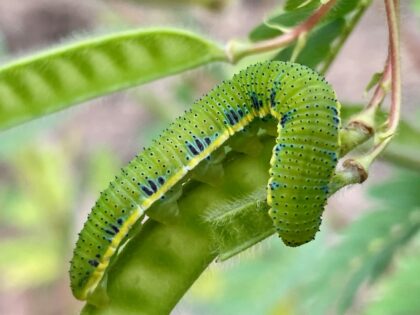
Photo credit: John Leonard
Passionflower vine, Wild Violets, Wild Strawberry, Robin’s Plantain (fleabane), Golden Alexanders, Purple Prairie Clover, Columbine, Bee Balm, Milkweeds, New Jersey Tea, Coreopsis, Early False Sunflower, Shrubby St. John’s Wort, Wild Blue Indigo, Milkweed, Goldenrod, Asters, Black-Eyed Susan, Sneezeweed, Blue Vervain, Hoary Vervain, Asters, Culver’s Root, Leadplant, Pitcher Sage, Late Figwort, Ironweed, Rattlesnake Master, Wooly Croton, Partridge Pea, Senna, Sweet Joe Pye Weed, Compass Plant, Frostweed, Sunflowers, False Indigo Bush.
For ideas of plants that support Oklahoma butterflies check out Host Plants for Common Oklahoma Butterflies.
I often refer to the National Wildlife Federation “Keystone Native Plants” for the Great Plains ecoregion, and their Top 30 Lists of Host Plants for Butterfly & Moth Caterpillars and Specialist Bees.
Native Annuals
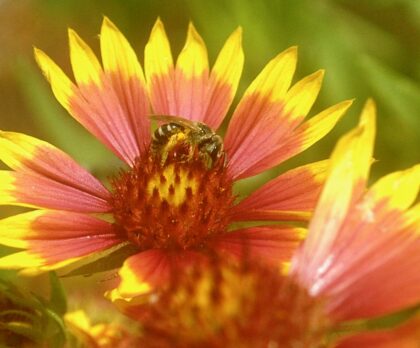
When planting a new garden full of native perennials, I use native annuals to ensure lots of flowers during that first year or two while the perennials are getting established. Golden Crownbeard, Indian Blanket, Plains Coreopsis, Lemon Bee Balm, Partridge Pea and Redwhisker Clammyweed are annuals native to Oklahoma that are excellent pollinator plants.
My Buzz & Bloom Blend is a mix of many native annuals; I recommend seeding it in fall or spring.
Woody Trees & Shrubs
Check out the Oklahoma Native Plant Network fact sheet on Native Trees for Oklahoma.
In addition, many native shrubs provide valuable food and habitat for pollinators and wildlife, including American Beautyberry, Shrubby St. John’s Wort, False Indigo Bush, Buttonbush and Northern Spicebush.
Shade Gardens
There are many wonderful native plants that thrive in partial shade. Here’s a few of my favorites! Listed, more or less, from short to tall.
Violets, Wild Strawberry, Woodland Phlox, Solomon’s Seal, Robin’s Plantain, Pigeonberry, Indian Pinks, Carolina Elephant’s Foot, American Alumroot, Columbine, Wild Geranium, New Jersey Tea, Blue Mistflower, Hairy Wood Mint, Bluestem Goldenrod, Elm-leaved Goldenrod, Heartleaf Skullcap, Drummond’s Aster,
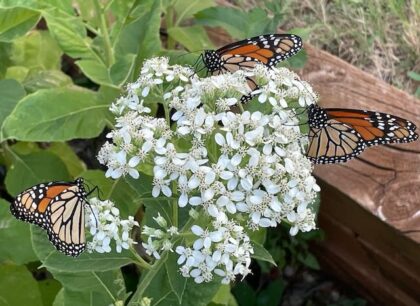
Photo credit: Matt Parks
Cutleaf Daisy, White Snakeroot, Bluestar, Ohio Spiderwort, Late Boneset, Purple Coneflower, Brown Eyed Susan, Purple Meadow Rue, Late Figwort, Sweet Joe Pye Weed, Frostweed, Wingstem.
Grasses: Sedges, Sea Oats
Shrubs: Dotted St. John’s Wort, Coralberry, American Beautyberry (white), American Beautyberry (purple), Buttonbush, Spicebush, Oakleaf Hydrangea, Ninebark, Elderberry.
Vines: Coral Honeysuckle, Passionflower, Wooly Pipevine, Virgin’s Bower (Clematis virginiana)
Check out the Oklahoma Native Plant Network Soft Landings fact sheet for planting under trees!
Garden Design
Signage
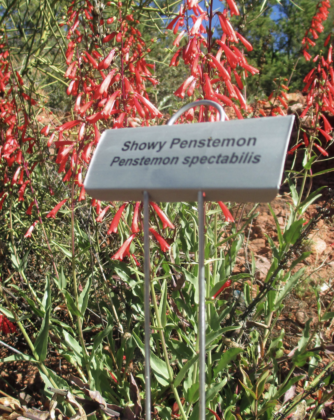
If your garden is visible to the public, it’s a good idea to add a sign that identifies it as wildlife habitat. Rather than the common corrugated plastic signs which degrade within a year, I recommend metal signs; more expensive but much longer lasting.
If you’re looking for botanical signs to identify individual plants, we love the engraved metal signs from Orion Garden Markers (on right.)
Enjoy!
Our world is filled to the brim with beauty and wonder. I love to stand very quiet in the middle of our pollinator gardens, watching and listening. Hot, sunny afternoons are often the best time for bug viewing. What an astonishing world, right beneath our noses!
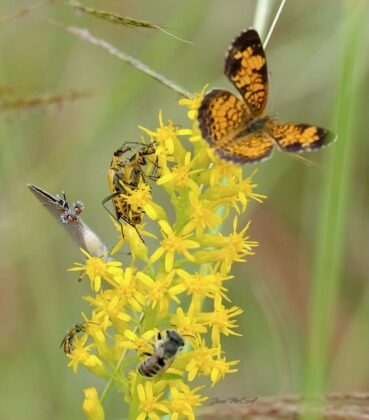
Goldenrod provides an insect buffet!
Photo credit: Jana McCord
Learning the names of the most common butterflies helps me pay attention to their uniqueness, and makes me feel smart. A simple butterfly guide is a good way to start. There are several good websites for Oklahoma butterfly identification. Recording your observations on iNaturalist is a way to participate in a worldwide network of citizen scientists.